
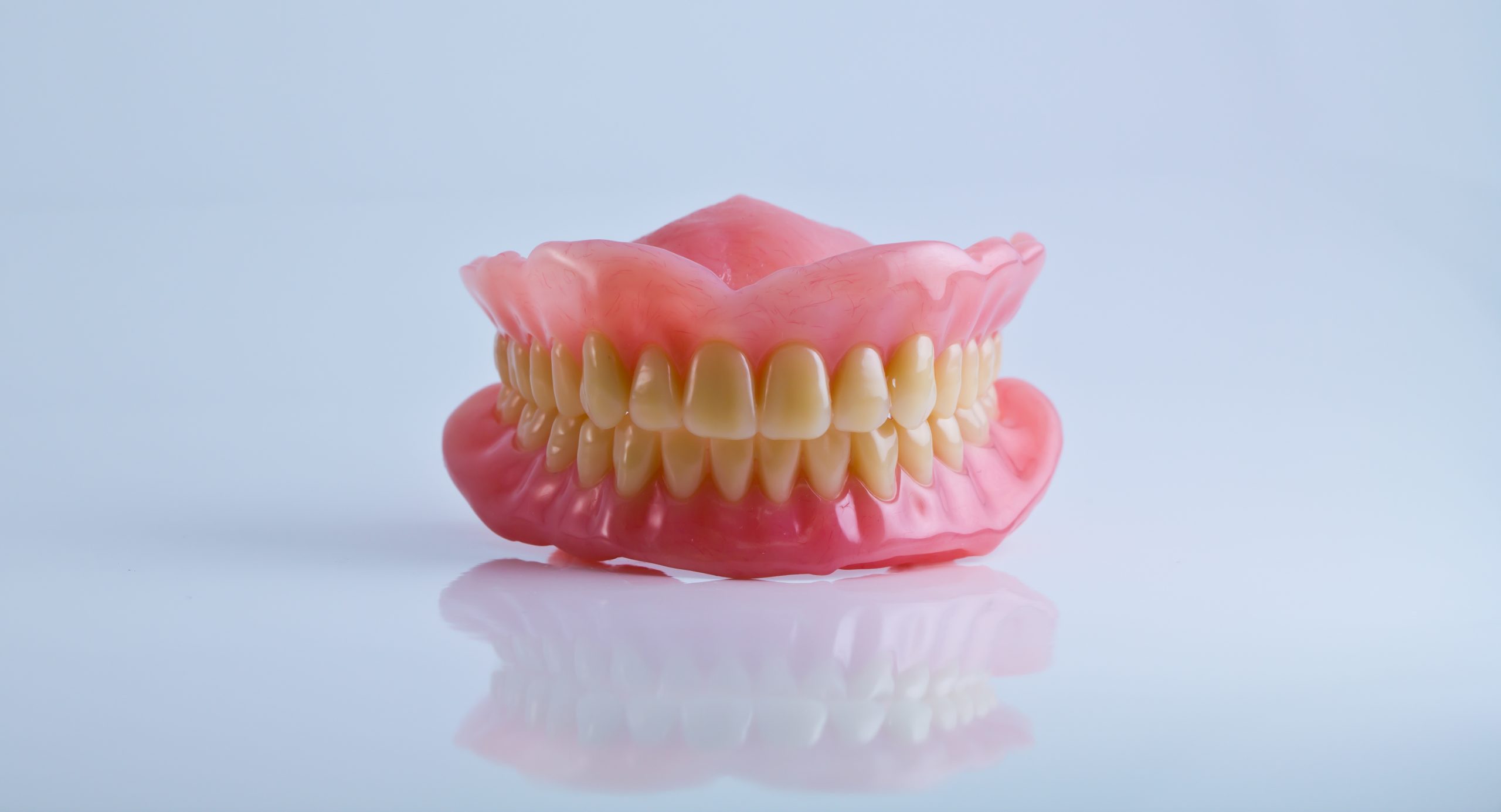
Missing teeth can make chewing, speaking, and smiling more difficult. Dentures are removable appliances designed to replace missing teeth and support everyday mouth function. Dentures in Waterloo may be complete or partial, depending on how many teeth are missing and where the gaps are located. Complete dentures replace all the teeth in the upper or lower arch, while partial dentures replace some missing teeth when natural teeth remain.
Understanding this difference can make it easier to discuss suitable options during a dental assessment and choose an approach based on oral health, comfort, and daily needs.
What Are Complete Dentures?
Complete dentures replace all the natural teeth in one dental arch. They may be used when all teeth in the upper or lower arch are missing or need to be removed.
Complete dentures rest on the gums and are designed to restore basic chewing and speaking functions. They can also help support the appearance of the face after significant tooth loss.
Depending on the situation, complete dentures may be made for:
- The upper arch
- The lower arch
- Both upper and lower arches
A dentist in Waterloo can assess the gums, jaw, and remaining oral structures to determine whether complete dentures may be appropriate.
What Are Partial Dentures?
Partial dentures replace several missing teeth while some natural teeth remain. They are designed to fill gaps and may use clasps or other parts to stay in position.
Dentures may be considered when tooth loss is limited to certain areas rather than an entire dental arch.
Partial dentures can help:
- Fill visible gaps
- Support chewing
- Improve speech affected by missing teeth.
- Reduce the movement of some nearby teeth.
- Restore a more complete smile.
The design depends on the number and location of missing teeth and the condition of the remaining teeth.
Complete vs. Partial Dentures: What Is the Main Difference?
The main difference is the number of teeth being replaced.
| Feature | Complete Dentures | Partial Dentures |
| Teeth replaced | All teeth in one arch | Some missing teeth |
| Natural teeth remaining | None in the treated arch | Some natural teeth remain |
| Main purpose | Replace a full arch of teeth | Fill selected gaps |
| Support | Gums and oral tissues | Remaining teeth and oral tissues |
| Design | Full removable set | Removable set with replacement teeth |
The most suitable choice depends on the condition of the mouth rather than on personal preference alone.
How Are Dentures Chosen?
A dental assessment helps determine which type of denture may work best. The evaluation may include checking the gums, remaining teeth, bite, and jaw structure.
A dental clinic near you can also discuss factors such as:
- Number of missing teeth
- Condition of remaining teeth
- Gum health
- Comfort and fit
- Daily chewing needs
- Speech concerns
- Appearance preferences
If some natural teeth are healthy enough to remain, partial dentures may be an option. If all teeth in an arch are missing, complete dentures may be considered.
What Should You Expect With New Dentures?
New dentures can feel different at first. It may take time to become comfortable with speaking and chewing while adjusting to the new appliance.
Some people may experience mild gum soreness or increased saliva during the adjustment period. If discomfort continues or the dentures do not fit properly, a dental assessment may be needed.
Regular cleaning is also important. Dentures should be cleaned as directed and handled carefully to help maintain their condition.
How Long Can Dentures Last?
The lifespan of dentures varies based on the material, fit, oral changes, and daily care. The shape of the gums and jaw can change over time, which may affect how well the dentures fit.
Dentures in Waterloo may need adjustment, relining, repair, or replacement as the mouth changes. Regular dental visits can help identify fit or oral health concerns.
Take the Next Step Toward a Comfortable Smile!
Replacing missing teeth starts with understanding which option fits your needs. A dental assessment can look at your remaining teeth, gums, bite, and daily needs to help determine whether complete or partial dentures may be appropriate.
Book an appointment with Harmony Dental Care to discuss your options and receive personalised guidance to restore your smile, chewing, and everyday comfort.
FAQs
Are complete dentures better than partial dentures?
Neither type is better for everyone. Complete dentures replace all teeth in an arch, while partial dentures replace some missing teeth. The right option depends on the remaining teeth and oral tissues.
Can partial dentures replace only one missing tooth?
In some cases, a partial denture can replace one missing tooth, depending on the condition and position of the surrounding teeth. Other replacement options may also be discussed.
Can dentures improve chewing?
Dentures can help restore chewing after tooth loss, but they may not feel or function exactly like natural teeth. Getting used to chewing with new dentures can take time.
How should dentures be cared for?
Dentures should be cleaned regularly according to dental instructions. They should also be handled carefully and checked for any signs of loosening, damage, or discomfort.