
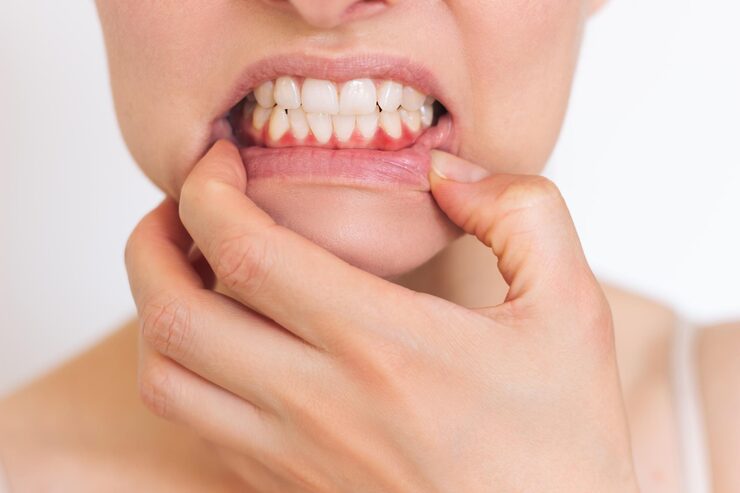
Gum recession occurs when the gum tissue pulls away from the teeth, exposing the roots and leaving them more open to sensitivity and damage. Gingival grafting in Waterloo is a treatment that adds gum tissue to these areas to help protect the roots and improve gum coverage. It may be recommended when the gums become too thin, the roots are exposed, or further recession is a concern.
Gum tissue usually does not grow back on its own after it recedes. However, not every case requires surgery. The right treatment depends on the amount of gum loss, the condition of the surrounding tissue, and the risk of further recession. Understanding how gingival grafting works can help you know when this treatment may be needed.
What Is Gingival Grafting?
Gingival grafting, also called gum grafting, is a procedure that adds tissue to an area where the gums have receded. The tissue may come from the roof of the mouth, nearby gum tissue, or a donor source, depending on the treatment plan.
During the procedure, the tissue is placed over or near the area that needs more gum coverage. It is then secured to allow it to heal in place.
The main goals of gingival grafting are to:
- Cover exposed tooth roots when possible.
- Add thickness to thin gum tissue.
- Reduce sensitivity caused by exposed roots.
- Help protect roots from wear and decay.
- Improve the appearance of uneven gum lines.
The amount of root coverage depends on the extent of recession and the condition of the surrounding gums.
When Is Gingival Grafting Needed?
Gum grafting may be recommended when gum recession exposes the roots or leaves the teeth with less protective tissue. A dentist in Waterloo can examine the gums and determine whether treatment is needed.
Common reasons for getting a gum graft include:
- Exposed tooth roots: When gums pull away from the teeth, the roots become exposed. These areas can develop cavities more easily than the covered parts of the teeth.
- Tooth sensitivity: Exposed roots can cause pain or discomfort when you eat hot foods, drink cold drinks, or brush your teeth.
- Thin gum tissue: Thin gums may be more likely to recede further in some cases.
- Changes in gum appearance: Teeth may look longer, or the gum line may appear uneven.
- Risk of further recession: A graft may help protect an area where additional gum loss is a concern.
Not every case of gum recession requires surgery. If the recession is mild and there are no signs of ongoing damage, monitoring and changes to brushing habits may be enough.
What Causes Gum Recession?
Gum recession occurs when gum tissue pulls away from the tooth, exposing part of the tooth’s root. Several factors can contribute to this change.
- Brushing too hard or using a hard-bristled toothbrush.
- Gum disease damages the tissues supporting the teeth.
- Naturally thin gum tissue.
- Tooth position or pressure from the bite.
- Tobacco use, which can increase the risk of gum problems.
A dental clinic near you can check for these causes before recommending treatment. Managing the cause is important because a graft does not prevent all possible causes of future gum recession.
What Happens During Gingival Grafting?
Gingival grafting near you is usually performed with a local anaesthetic to numb the treatment area. The exact steps depend on the type of graft needed.
- Examination and planning: The gums, teeth, and amount of recession are assessed.
- Preparing the area: The dentist cleans the area and numbs it so you feel less pain during treatment.
- Placing the graft: A small piece of tissue is taken from a suitable area and placed where the gums need more coverage.
- Holding the tissue in place: Small stitches keep the tissue in place while it heals.
- Aftercare instructions: Guidance is provided to help protect the graft and support healing.
Some soreness, swelling, or minor bleeding may occur after treatment. Healing takes time, and the treated area should be protected from brushing, chewing pressure, and other irritation as directed.
Give Your Gums the Care They Need
Receding gums deserve attention, especially when tooth roots become exposed, or sensitivity starts to affect daily comfort. Understanding the cause of gum recession can help you choose the right way to protect your teeth and maintain healthy gum tissue. Schedule an appointment with Harmony Dental Care to have your gums assessed, discuss suitable treatment options, and find out whether a gum graft could help protect the affected areas.
FAQs
Is gum grafting painful?
The dentist numbs the area to help prevent pain during treatment. You may have some soreness and swelling afterward. The amount of discomfort can vary from person to person. Your dental team can tell you how to care for the area and ease the discomfort.
Can gum tissue grow back naturally?
Gum tissue that has receded generally does not grow back on its own. Good oral care can help prevent further damage, while a graft may add tissue where needed.
How long does a gum graft take to heal?
Initial healing often takes one to two weeks, but complete healing and tissue changes can take longer. Follow-up visits help monitor recovery.
Does every case of gum recession need a graft?
No. Treatment depends on the amount of recession, sensitivity, gum thickness, and risk of further damage. Some cases only need monitoring and improved oral care.