
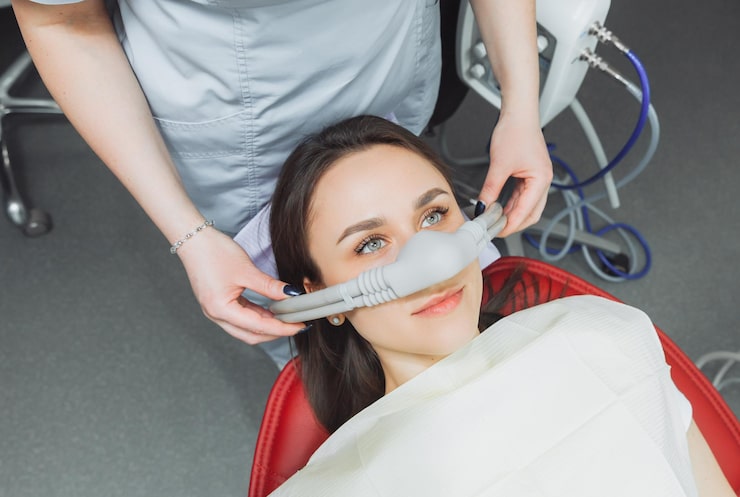
Dental anxiety, a strong gag reflex, or a difficult experience can make treatment harder to tolerate. Moderate conscious sedation in Waterloo may be considered for selected people who need additional support during dental care. The goal is to reduce distress while maintaining responsiveness to stimulation.
Suitability depends on medical history, medications, airway health, age, planned procedure, and an assessment by an appropriately authorized clinician. It is not the same as general anaesthesia, and it does not remove the need for local anaesthetic. The purpose is to make selected treatments more manageable, not to eliminate awareness or replace pain-control measures.
Which Concerns May Make Sedation Worth Discussing?
If you are looking into who can benefit from moderate conscious sedation, it mainly depends on the person’s dental needs and health profile. It may be considered when anxiety delays care, a gag reflex interferes with treatment, or previous procedures have been difficult to tolerate.
Sedation may also be discussed for selected longer or more complex procedures. It does not automatically make every procedure easier or remove all awareness. The clinician must assess the likely benefits against the risks for the individual.
How Can Sedation Help With Dental Anxiety?
Moderate conscious sedation near you for dental anxiety may reduce distress and make treatment easier to tolerate. A person may feel drowsy or remember less, but moderate sedation is not the same as general anaesthesia. Responsiveness to purposeful stimulation is generally maintained, although medicines and individual response affect the experience.
Sedation is different from local anaesthesia. It can help manage anxiety, but it does not numb a tooth. Local anaesthesia may still be required to prevent pain during drilling, extraction, or other dental treatment.
How Do the Sedation Methods Differ?
Nitrous oxide, oral medication, and IV sedation work differently; their effects depend on the medicines and intended depth.
- Nitrous Oxide and Oxygen: Inhaled through a nasal mask. Used alone, it is generally categorized as minimal sedation and often wears off relatively quickly.
- Oral Sedation: Medication is taken by mouth. Its onset may be slower, and the effect is less adjustable after it has been taken. An escort may be required.
- IV Sedation: Medication is delivered through a vein and may be adjusted by an authorized clinician. Monitoring and an adult escort are generally required.
In Ontario, nitrous oxide and oxygen alone are classified as minimal sedation. Oral moderate sedation and parenteral conscious sedation are separate modalities with additional authorization and facility requirements. The intended level must be described accurately.
What Should the Assessment Cover?
Suitability depends on the exact method, clinician authorization, and individual health findings. A dentist in Waterloo will review medical conditions, medications, allergies, previous sedation reactions, and breathing or airway history.
Age, procedure, anxiety level, and ability to follow instructions also matter. A medical condition may require additional assessment or a different setting, rather than automatically ruling out sedation.
Preparation, Monitoring, and Recovery
Preparation depends on the method. Follow the written instructions about food, drink, medications, and arrival time rather than a generic fasting rule. Oral or IV sedation commonly requires a responsible adult to arrange transportation.
A consultation at a dental clinic near you can help you understand the planned method, monitoring, escort requirements, and recovery instructions before treatment is scheduled.
During sedation, the clinician monitors your response and relevant vital signs in accordance with the method and standard of practice. Recovery is assessed before discharge. Instructions may include resting, avoiding driving, or postponing important decisions for a specified period. Do not assume that feeling alert means it is safe to drive.
Review Your Sedation Options Carefully
Sedation decisions should reflect your health history, treatment needs, and the level of support required. Schedule a consultation with Harmony Dental Care to review your dental concerns and suitable options. The right plan begins with a careful discussion of benefits, limitations, and safety.
Frequently Asked Questions
Does moderate sedation mean being unconscious?
No. Moderate sedation is intended to produce a depressed level of consciousness while preserving purposeful responses to verbal commands, sometimes with light touch. It differs from deep sedation and general anaesthesia. The planned level and potential effects should be explained in advance.
Will I remember the dental procedure?
Some people remember parts of treatment, while others recall less clearly. Memory effects vary with the medication, dose, and individual response. The clinician should explain what is expected and how you will be monitored during the appointment. Memory is not a reliable measure of sedation depth.
Does sedation eliminate pain during treatment?
No. Sedation may reduce anxiety and awareness, but it does not reliably numb the tooth or surrounding tissues. Local anaesthetic is often still needed for pain control. The clinician should explain the separate roles of sedation and freezing. Numbing medication may still be needed for specific procedures.
Will someone need to accompany me home?
An escort is commonly required after oral or IV sedation because effects can continue after treatment. Driving restrictions and discharge requirements depend on the medication and recovery assessment. Follow the specific written instructions and do not travel alone when an escort is required.
What health information should be reviewed first?
Discuss medical conditions, prescription and non-prescription medicines, allergies, previous sedation experiences, breathing or airway concerns, and pregnancy status where relevant. These details help determine suitability and the level of monitoring needed. Never stop prescribed medication unless instructed by the appropriate clinician.