
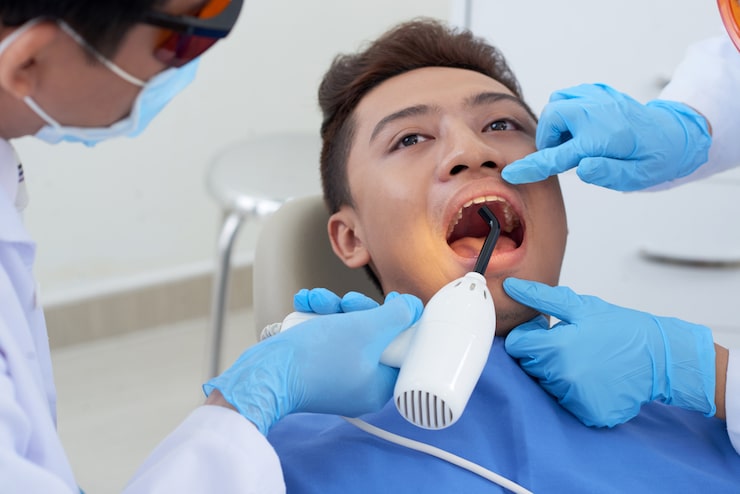
Why do some people need a tooth removed when they have tooth pain? Many people visiting a dentist in Waterloo have sudden or long-lasting tooth pain that cannot be treated with simple at-home care. If a tooth is badly damaged, deeply infected, or cannot be repaired, removing it may be the quickest way to stop pain and protect overall oral health.
In some situations, a tooth extraction in Waterloo is recommended when other treatments cannot save the tooth and the infection, or when the damage continues to worsen, affecting nearby teeth and gums.
Why Severe Tooth Pain Happens
Understanding the causes of severe tooth pain helps explain why extraction may sometimes be necessary rather than other treatments.
Common causes include:
- Deep tooth decay that reaches the inner nerve
- Cracked or fractured teeth
- Gum infections that spread around the tooth
- Pressure from impacted or wisdom teeth
- Untreated cavities that worsen over time
When these issues are not treated early, the pain can become constant, sharp, and disruptive to daily life, such as eating, sleeping, and speaking.
When Tooth Extraction Becomes the Best Option
Tooth removal is not the first option in most cases, but it is necessary when the tooth cannot be saved.
Dentists may recommend removing a tooth when:
- The tooth has a severe infection that cannot be controlled.
- The structure of the tooth is too weak or broken.
- Pain continues even after other treatments.
- There is a risk of infection spreading.
- Wisdom teeth are impacted or causing pressure.
In these situations, removing the tooth helps stop further damage and allows the mouth to begin healing properly.
How Tooth Extraction Relieves Pain Quickly
Tooth removal removes the cause of pain, which is often an infection or pressure inside the tooth.
Pain relief happens because:
- The infected or damaged tooth is fully removed.
- Pressure inside the tooth and gums is released.
- Swelling begins to reduce over time.
- Infection is stopped from spreading to other areas.
- The healing process in the mouth can begin.
Most patients notice that once the problem tooth is removed, the intense pain they were feeling starts to improve soon after the procedure.
Infected Tooth Extraction and Its Benefits
A tooth is removed when bacteria go deep inside it and cause serious damage.
Key benefits include:
- Stops infection from spreading to other teeth
- Reduces swelling and pressure in the jaw
- Helps prevent bigger dental problems
- Makes eating and speaking more comfortable
- Allows gums and nearby tissues to heal
Removing an infected tooth is often an important step toward improving overall oral health and preventing further problems.
What Happens During a Tooth Extraction Procedure
To help patients feel more comfortable, the process is carefully carried out in steps.
Step-by-step process:
- A comprehensive examination is performed to determine the tooth’s condition.
- X-rays may be taken to examine the tooth roots and bones.
- The tooth is numbed for a comfortable extraction.
- Loosening of the tooth takes place before its removal.
- Cleaning is done to promote healing.
- Instructions for aftercare are given.
Thanks to modern dental care, most patients feel pressure during the procedure but not pain.
Recovery After Tooth Extraction
Healing after extraction is an important part of the process and varies from person to person.
Normal recovery experience may include:
- Mild swelling for a few days
- Slight discomfort that improves gradually
- Need for soft foods during the first few days.
- Avoiding pressure on the treated area
- Following the cleaning instructions carefully
With proper care, healing becomes smoother, and complications are less likely.
Benefits of Removing a Damaged Tooth Early
Waiting could make the situation worse; thus, early removal is beneficial because of the following:
Advantages:
- Quick relief from pain
- Preventing infection from spreading
- Saving other adjacent teeth
- Chewing becomes comfortable
- Fewer chances for emergencies
Taking immediate action will lead to good oral health in the future.
Life After Tooth Extraction
If the treatment is successful, you can opt to replace the lost tooth in the area, if necessary. This will help you chew properly.
Common long-term goals include:
- Maintaining proper bite alignment
- Supporting surrounding teeth
- Improving chewing ability
- Restoring natural appearance when needed
Say Goodbye to Severe Tooth Pain Today!
Tooth extraction is a perfectly safe procedure that helps eliminate pain from damaged teeth that cannot be salvaged through other procedures. Most individuals recover well after the procedure, especially if they take good care of themselves. Visit Harmony Dental Care Waterloo today and enjoy a pain-free experience.
FAQs
Why do dentists recommend tooth extraction?
Dentists recommend extraction when a tooth is too damaged or infected to be repaired and is causing ongoing pain or risk to nearby teeth.
Is tooth extraction painful?
No, the area is numbed during treatment, so patients usually feel pressure but not pain during the procedure.
How soon does pain get better after tooth removal?
Many patients feel relief soon after the tooth is removed because the infected or damaged tooth is gone.
Can I eat normally after a tooth removal?
You should eat soft foods for the first few days. You can gradually return to normal eating as your mouth heals.