
When your tooth is damaged, you might wonder whether a filling is enough or if it needs a full crown. Understanding the difference can help you make the right decision for your dental health. If you are looking for Dental Crowns in Waterloo, this guide will explain the signs, benefits, and differences in a simple and clear way.
What Is a Filling, and When Is It Enough?
A dental filling is used to repair a small or medium cavity. Fillings restore the tooth’s function and prevent further decay.
You might need a filling if:
- The tooth has a small cavity or minor damage
- There is no cracking or deep weakness in the tooth
- You don’t experience severe pain or sensitivity
Fillings are made from materials like composite resin or amalgam and are strong enough to fix small cavities while keeping most of the tooth intact.
What is a Crown, and When Do You Need One?
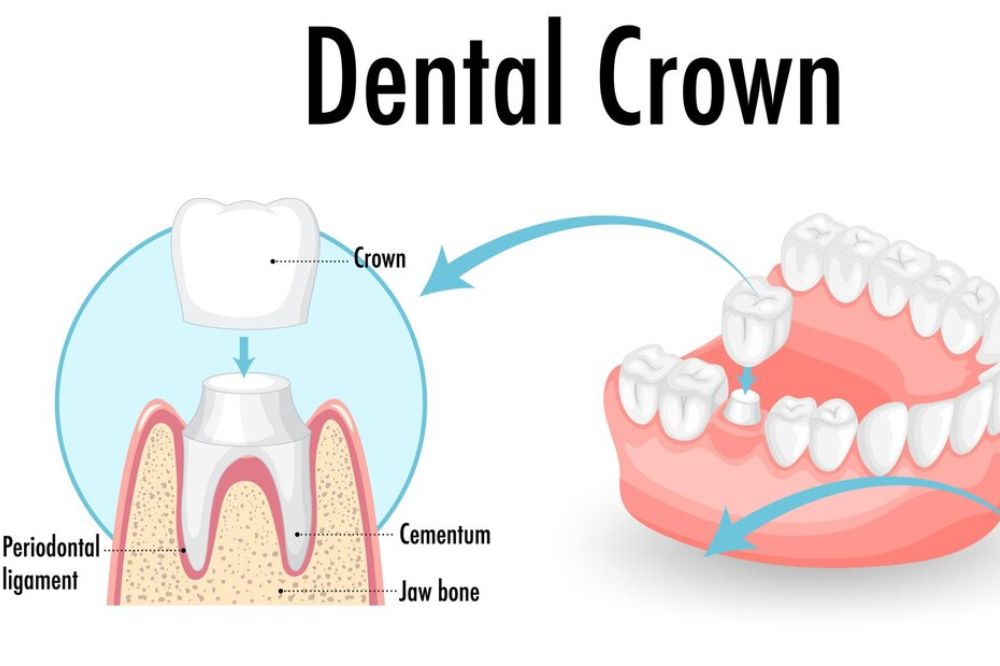
A dental crown, also called a cap, covers the entire tooth. It restores strength, shape, and appearance.
You might need a crown if:
- The tooth has a large cavity that weakens it
- A previous filling has failed or is too large
- The tooth is cracked, broken, or worn down
- You have had a root canal, and the tooth needs protection
Crowns are made from materials like porcelain, ceramic, or metal. They protect the tooth from further damage and can last many years with proper care.
How to Decide Between a Filling and a Crown?
Choosing between a filling and a crown depends on the tooth’s condition and your dentist’s advice. Here are some key points to consider:
|
Factor |
Filling |
Crown |
|
Size of Damage |
Small to medium |
Large or extensive |
|
Tooth Strength |
Strong |
Weak or cracked |
|
Longevity |
5–10 years |
10–15 years or more |
|
Protection |
Minimal |
Full coverage |
|
Cost |
Usually lower |
Usually higher |
Your dentist near you can examine the tooth and take X-rays to see the extent of damage. It helps determine the most suitable treatment for long-term health.
Does Pain or Sensitivity Affect the Choice?
Yes. Pain or sensitivity can signal that a filling may not be enough. If you notice:
- Sharp pain when biting
- Persistent sensitivity to hot or cold
- The tooth breaks or cracks easily
These signs often indicate that a crown is needed to protect the tooth and prevent further problems.
Can You Have a Crown and a Filling Together?
Sometimes, a combination is necessary. For example:
- A filling might repair a small area first
- If the tooth weakens later, a crown can be placed
- Some teeth may need multiple treatments over time
Your dentist in Waterloo can guide you through a plan that fits your needs.
How Long Do Crowns and Fillings Last?
- Fillings: Usually last 5–10 years, depending on size, location, and material.
- Crowns: Can last 10–15 years or more if properly cared for.
Good oral hygiene, like brushing twice daily, flossing, and regular visits to your Dental Crowns near you provider, helps both fillings and crowns last longer.
Are There Any Risks?
Both treatments are safe but have potential issues:
- Fillings may crack or fall out over time
- Crowns may feel slightly sensitive at first
- Rarely, crowns can loosen if the tooth beneath decays
Your Dental Crowns provider near you can examine your teeth regularly to prevent problems and ensure your crowns last longer.
How Can You Protect Your Teeth After Treatment?
- Brush with fluoride toothpaste twice daily.
- Floss gently once a day
- Avoid biting hard objects like ice or pens
- Visit your dentist nearby regularly for checkups.
Following these steps can extend the life of your fillings and crowns while keeping your natural teeth strong and healthy.
Harmony Dental Care: Your Partner for Healthy Teeth
At Harmony Dental Care, we help keep your teeth strong and comfortable. From fillings to crowns, we help you understand your options in a caring, supportive setting while focusing on long-lasting dental health. Schedule a visit today and take the first step toward a stronger, brighter smile!
📍 Find us easily on the Google map and plan your visit today!