
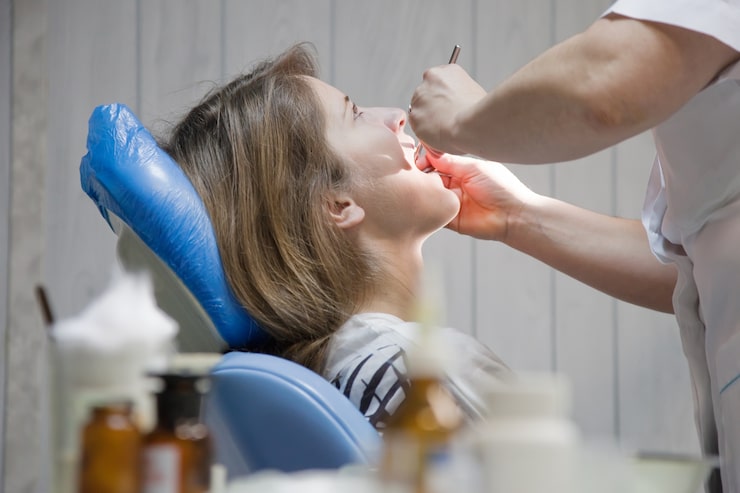
When several teeth are damaged, missing, or worn down, you may need more than one dental procedure to restore your smile. Full mouth rehabilitation in Waterloo combines different treatments to improve oral health, chewing, and the appearance of your teeth. The treatment plan is based on your dental needs and goals.
Finding a dental clinic near you can help you understand which treatments may be suitable for your needs. A dental assessment allows your dentist to identify existing problems, explain your options, and recommend the next steps based on your oral health.
What Is Full Mouth Rehabilitation?
Full mouth rehabilitation restores most or all teeth in the upper and lower jaws. A dentist in Waterloo can assess your oral health and recommend suitable treatments based on your needs. These may include:
- Restorative dentistry to repair damaged teeth.
- Tooth replacement with implants, bridges, or dentures.
- Bite correction to improve how your teeth fit together.
- Gum treatment to manage gum disease.
- Cosmetic procedures to improve the appearance of your smile.
The main goal is to improve oral health and help you eat and speak comfortably.
What Problems Can Full Mouth Rehabilitation Address?
Full mouth rehabilitation can address several dental problems that affect your oral health and everyday comfort.
1. Damaged or Worn Teeth
Tooth decay, teeth grinding, and everyday wear can weaken or damage teeth over time. Depending on the extent of the damage, treatment may include:
- Fillings to repair minor decay or damage.
- Dental crowns to protect and strengthen weakened teeth.
- Dental restorations to rebuild worn or damaged tooth surfaces.
2. Missing Teeth
Missing teeth can affect chewing, speech, and the alignment of surrounding teeth. Several treatment options are available to replace missing teeth, including:
- Dental implants to support replacement teeth.
- Dental bridges to fill gaps left by missing teeth.
- Dentures to replace several or all missing teeth.
Your dentist will recommend a suitable option based on your oral health, treatment needs, and preferences.
3. Bite Problems
When the upper and lower teeth do not align properly, chewing may become uncomfortable. Uneven pressure can also lead to excessive wear on certain teeth. Treatment options may include:
- Dental restorations to rebuild worn or damaged teeth.
- Orthodontic treatment to address certain alignment issues.
- Adjustments to existing restorations to improve how the teeth fit together.
4. Extensive Tooth Decay
When decay affects several teeth, different treatments may be needed to restore them. These may include:
- Fillings to repair areas affected by decay.
- Dental crowns are used to protect weakened teeth.
- Root canal treatment is necessary when decay or infection affects the inner part of a tooth.
What Happens During Treatment?
Full mouth rehabilitation usually involves a few key steps:
- Initial examination: Your dentist checks your teeth, gums, and bite. X-rays may also be taken if needed.
- Treatment plan: Your dentist explains the recommended procedures and how long treatment may take.
- Preparatory care: Any tooth decay or gum problems are treated before the main procedures begin.
- Dental procedures: Treatments are completed in stages, depending on your needs.
- Follow-up visits: Your dental team checks your healing and makes sure your restorations fit properly.
Treatment may take a few weeks or several months, depending on the procedures involved and the time needed for healing.
Who May Benefit From Full Mouth Rehabilitation?
You may benefit from treatment if you have:
- Several missing teeth.
- Extensive tooth decay or damage.
- Worn teeth caused by grinding or clenching.
- Old restorations that need replacement.
- Bite problems that affect chewing or comfort.
If you are considering full mouth rehabilitation near you, a dental assessment can help determine which treatments are suitable. Your gum health, medical history, and goals will help guide the plan.
Restore Your Smile With Personalised Care
A suitable treatment plan can help restore your oral health and make everyday activities more comfortable. Contact Harmony Dental Care to schedule a consultation and learn more about your treatment options.
Frequently Asked Questions
Is full mouth rehabilitation the same as getting dentures?
No. Treatment may include fillings, crowns, bridges, implants, gum treatment, or dentures, depending on your needs.
How long does full mouth rehabilitation take?
It may take a few weeks or several months, depending on the procedures and healing time.
Is full mouth rehabilitation painful?
The experience depends on the procedures involved. Local anaesthesia is commonly used for treatments that may cause discomfort. Your dentist can explain what to expect during recovery.
How much does full mouth rehabilitation cost?
The cost depends on the procedures, materials, and complexity of your case. Your dentist can provide an estimate after an examination and treatment planning.